

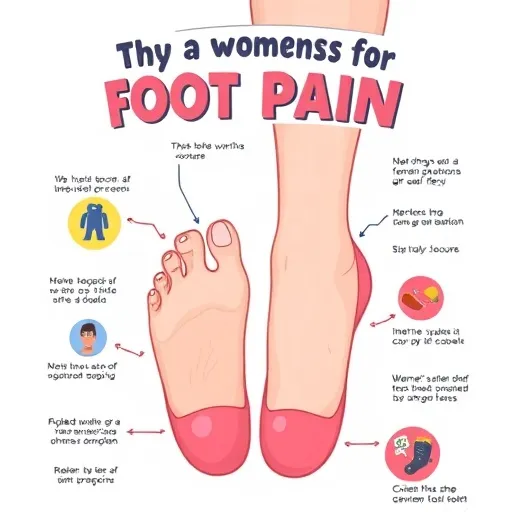
Womens feet differ f
Why Women's Foot Pain Is Different (and Why It Matters for Shoe Choice)
Here's a fact that surprises a lot of people: women's feet aren't just scaled-down versions of men's feet. They typically have a different arch structure, a wider forefoot relative to heel width, and a much higher rate of issues like bunions, plantar fasciitis, and metatarsalgia. On top of that, hormonal changes throughout life — pregnancy, perimenopause, and beyond — mess with ligament laxity and actually change foot shape. This is exactly why anyone hunting for the best shoes for foot pain women's needs to understand these differences before buying anything.
That's also why generic "unisex" footwear so often fails women. The best shoes for foot pain women's categories are built around a woman's real biomechanics, not just scaled-down men's lasts. When you're evaluating any pair, keep this front of mind: the last (the foot-shaped mold the shoe is constructed on) matters more than almost any marketing claim printed on the box. Honestly, if you remember nothing else about the best shoes for foot pain women's, remember the last.
Common Foot Pain Categories and Biomechanics That Women Face Daily
- Plantar fasciitis: Sharp heel pain, especially with those first steps in the morning. Calls for strong arch support and cushioned heel geometry — a non-negotiable in the best shoes for foot pain women's lineup.
- Metatarsalgia: Ball-of-foot pain. Needs a wider toe box and forefoot cushioning or a rocker sole to reduce pressure.
- Bunions and hallux valgus: Needs a roomy toe box and flexible, soft upper materials that don't press on the joint.
- Flat feet and overpronation: Needs medial support and stability features to control inward roll.
- High arches and underpronation: Needs generous cushioning and shock absorption to compensate for a stiff arch that barely absorbs anything.
- Neuropathy and diabetic foot concerns: Needs seamless interiors, even pressure distribution, and protective cushioning.
Figuring out which category you fall into is step one. If you're unsure, a visit to a podiatrist or a footwear specialist at a specialty running store can save you months of trial and error — and a whole lot of money on pairs that never work out.
Arch Support, Toe Box Width, and Cushioning: What Really Defines the Best Shoes for Foot Pain Women's
Let's cut through the jargon. When you're shopping for the best shoes for foot pain women's styles, a handful of features genuinely matter — and the rest is mostly noise.
Arch support isn't one-size-fits-all. A shoe with aggressive arch support will feel like a rock under a high-arched foot, while a flat, cushioned shoe leaves a flat-footed wearer completely unsupported. Look for removable insoles so you can swap in custom orthotics if needed — that flexibility is a huge plus, and it's one of the reasons the best shoes for foot pain women's picks tend to offer it.
Your toes should be able to splay naturally inside the toe box. If you can feel the sides pressing on your pinky toe or big toe joint, size up or hunt for a wider width. Plenty of top-rated comfort shoes in 2026 now come in multiple widths (narrow, standard, wide, extra-wide), which is a total game-changer for women with bunions or wide forefeet — and honestly, it's about time.
Then there's the cushioning vs. support balance. Maximum cushioning feels amazing in the store but can be unstable for daily wear if you overpronate. The sweet spot? Responsive midsole foam, a firm heel counter, and moderate cushioning under the forefoot. Rocker-bottom soles — curved from heel to toe — are especially helpful for easing stress on the ball of the foot and smoothing out the push-off phase of walking. A stable heel counter keeps your foot from sliding side to side, and a lower heel-to-toe drop (around 4–8mm) encourages a more natural gait, while a slightly higher drop (8–12mm) can reduce strain on the Achilles tendon and calf. For plantar fasciitis, many experts lean toward a moderate drop with strong heel cushioning.
Don't sleep on breathable, seamless uppers either. Knitted and mesh uppers reduce friction and hot spots, which matters big time if you have sensitive skin, neuropathy, or diabetes. Seamless interior construction is a quiet but important feature — those tiny seams cause big problems over long distances. It's the kind of detail that separates the best shoes for foot pain women's options from the pretenders.
Walking Shoes, Stability Shoes, and Orthopedic Footwear: Shoe Categories Worth Considering in 2026
Rather than naming specific products (models change every season, after all), let's talk categories. This is how a footwear analyst thinks about the market — and it's how you should shop for the best shoes for foot pain women's styles.
Walking shoes with rocker soles have exploded in recent years, and for good reason. Rocker geometry reduces the work your foot does at toe-off, making these excellent for plantar fasciitis, metatarsalgia, and general arthritic stiffness. Look for a smooth, stable transition and a slightly wider platform for balance. If you overpronate or have flat feet, a stability shoe with medial posting or guide rails can control inward roll without feeling clunky — modern stability designs are far more subtle than the bricks of a decade ago.
Orthopedic and therapeutic footwear includes shoes designed with podiatrist input, removable footbeds, and extra-depth construction for custom orthotics. Not glamorous, sure, but if you have significant structural issues, they're often the most reliable path to pain relief. Good news: 2026's orthopedic styles look way more like everyday sneakers than the medical-looking shoes of the past. For everyday wear, well-cushioned sneakers with a supportive footbed often rank among the best shoes for foot pain women's picks — just avoid flat, thin-soled fashion sneakers. And yes, sandals and slip-ons can work too: look for contoured footbeds, adjustable straps, and a cushioned heel, and skip completely flat flip-flops that force your toes to grip constantly.
How to Fit the Best Shoes for Foot Pain Women's Sizing When You Have Foot Pain
Fit is where most people go wrong, and it's the single biggest reason a technically great shoe still causes pain. Measure late in the day, since feet swell and shopping in the afternoon gives you a more accurate fit. Go up half a size if you're between sizes — especially with a wide toe box shoe. You want about a thumb's width of space between your longest toe and the end of the shoe, and your heel should be locked in with minimal slipping but not so tight that it rubs. Walk on a hard surface, not just carpet (carpet hides instability), bring your orthotics and the socks you actually wear, and break everything in gradually — start with 30-minute wears and build up.
Common Buying Mistakes That Undermine the Best Shoes for Foot Pain Women's Choices
- Buying for looks over fit. A gorgeous shoe that hurts is a shoe you'll never wear.
- Assuming "cushioned" means "supportive." They're different things — plush foam without structure can actually worsen pain.
- Ignoring width options. No widths offered? Check the toe box shape carefully.
- Skipping the insole swap. A removable insole plus a quality aftermarket footbed is often the cheapest route to a custom-feeling fit.
- Wearing worn-out shoes. Most walking shoes lose meaningful midsole cushioning after 300–500 miles.
- Not rotating shoes. Alternating pairs lets foam recover and reduces repetitive stress on your feet.
The 2026 Footwear Market and Finding Your Best Shoes for Foot Pain Women's Match
The landscape has shifted meaningfully. More brands now offer women-specific lasts rather than shrinking men's designs, sustainable materials — recycled knits, bio-based foams — have gone mainstream, and multiple-width offerings are more common than ever. Data-driven fit tools like 3D foot scanning at retail are helping women nail the right size on the first try. But the most important trend is cultural: comfort footwear is no longer a compromise. The best shoes for foot pain women's categories now include styles you'd genuinely want to wear to the office, on a walk, or out to dinner. There's no single "best" shoe — only the best shoe for your feet, your pain pattern, and your daily routine. Prioritize arch support, a roomy toe box, a stable heel, and the right cushioning balance, then fit carefully and buy from a retailer with a generous return policy. If foot pain is severe, persistent, or paired with swelling or numbness, see a healthcare professional — no shoe fixes a medical issue on its own. But for everyday aches, the best shoes for foot pain women's sizing you can find will genuinely change how you move through your day.